
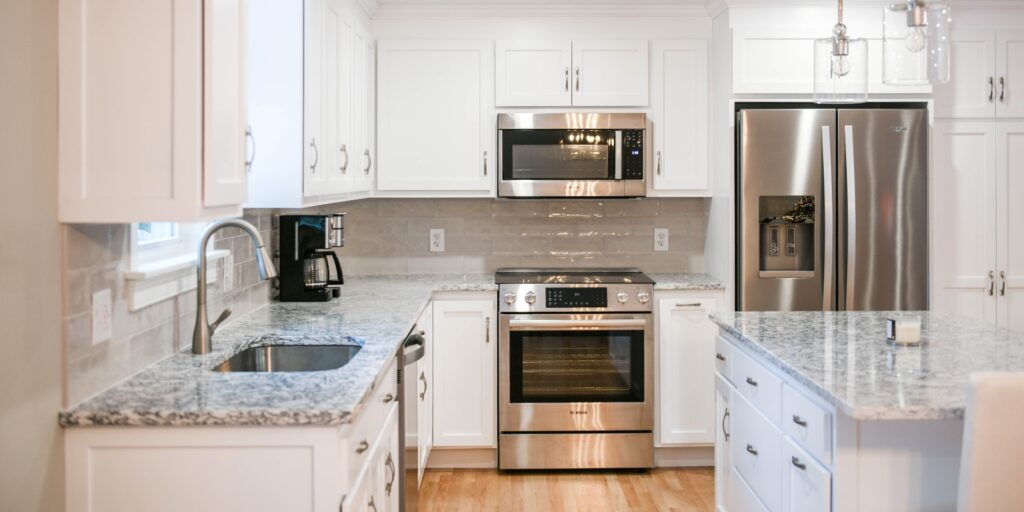
Planning a kitchen remodel can be an exciting yet daunting task. Whether you’re updating for better functionality or a fresh look, careful preparation is essential to achieving your dream kitchen without overspending. Understanding kitchen renovation costs and effective kitchen budgeting can help you make informed decisions. In this blog, we will explore comprehensive kitchen planning strategies and innovative kitchen design ideas to help you navigate your kitchen remodel efficiently. From cost estimation to design inspiration, we’ll guide you every step of the way to ensure a smooth and successful renovation using kitchen remodel budget planning and answering how to budget for a kitchen remodel.
Introduction to Kitchen Remodel Planning
Embarking on a kitchen remodel requires thorough planning and budgeting to achieve your desired outcome without financial strain. Here’s a detailed guide with ten key points to help you plan and budget for your kitchen renovation, integrating essential aspects like kitchen renovation costs, kitchen planning, kitchen budgeting, and kitchen design ideas.
This stage is essential for kitchen remodeling budget planning, ensuring clarity before execution begins.
1. Set Clear Objectives
Start by defining the goals for your kitchen remodel to streamline the planning process.
- Functionality Needs: Identify which aspects of your kitchen’s functionality need improvement, such as storage, layout, or appliances.
- Aesthetic Preferences: Decide on the style and overall look you want, whether it’s modern, rustic, or traditional.
- Usage Patterns: Consider how you use your kitchen daily to prioritize features that will enhance your cooking and dining experience.
2. Establish a Realistic Budget
Understanding your budget is crucial for kitchen planning and ensuring you stay within financial limits.
This phase is central to kitchen renovation budgeting and avoiding overspending.
- Itemized Budgeting: Break down your budget into categories like materials, labor, appliances, and unexpected expenses.
- Contingency Fund: Set aside at least 10–15% of your total budget for unforeseen costs.
- Cost Estimation Tools: Utilize online tools and calculators for kitchen remodeling cost estimation.
3. Research and Gather Kitchen Design Ideas
Explore various kitchen design ideas to inspire your remodel and align with your objectives.
This step helps refine your kitchen remodeling budget by aligning vision with cost expectations.
- Online Resources: Browse design websites, blogs, and social media platforms like Pinterest for inspiration.
- Showrooms and Magazines: Visit kitchen showrooms and design magazines for trends and materials.
- Consult Professionals: Consider hiring a designer to refine your plan.
4. Prioritize Essential Upgrades
Focus on essential upgrades that will provide the most significant impact on your kitchen’s functionality and aesthetics.
- Cabinetry: High-quality cabinets for storage and layout fit.
- Countertops: Durable materials like quartz, granite, or butcher block.
- Appliances: Energy-efficient upgrades for long-term savings.
5. Create a Detailed Kitchen Layout Plan
A well-thought-out layout is vital for optimizing space and workflow.
This aligns with proper average kitchen remodel cost planning by reducing redesign risks.
- Work Triangle: Sink, stove, refrigerator efficiency.
- Storage Solutions: Pull-out shelves, lazy Susans, vertical storage.
- Traffic Flow: Ensure comfortable movement space.
6. Obtain Quotes from Contractors
Hiring professionals is key to accurate planning and execution.
This stage directly impacts your kitchen renovation cost breakdown and overall financial planning.
- Multiple Quotes: Compare at least three contractors.
- References and Reviews: Verify reliability and quality.
- Contract Details: Define scope, timeline, and payment terms.
A clear kitchen remodel cost breakdown should always be requested before finalizing contracts.
7. Choose Materials Wisely
Selecting materials affects both cost and durability.
- Quality vs. Cost: Balance affordability and longevity.
- Eco-Friendly Options: Bamboo flooring, recycled glass, low-VOC paints.
- Sample Testing: Evaluate materials in real lighting conditions.
8. Plan for Temporary Kitchen Setup
A remodel disrupts daily life, so preparation is key.
- Alternative Cooking Area: Temporary setup in another room.
- Meal Planning: Simple or no-cook meals during renovation.
- Safety Measures: Keep the workspace organized and safe.
9. Monitor Progress and Stay Flexible
Ongoing tracking ensures budget and timeline control.
This step supports accurate kitchen renovation cost breakdown monitoring during execution.
- Weekly Check-Ins: Regular contractor updates.
- Adjustments: Adapt when unexpected issues arise.
- Budget Tracking: Monitor spending continuously.
10. Add Personal Touches
Personalization completes the remodel.
- Decorative Elements: Backsplash, lighting, hardware.
- Color Scheme: Cohesive home integration.
- Functional Accessories: Islands, wine racks, pot fillers.
Conclusion
A successful kitchen remodel involves meticulous kitchen planning, effective kitchen budgeting, and a keen eye for kitchen design ideas. By setting clear objectives, establishing a realistic budget, researching design options, prioritizing essential upgrades, creating a detailed layout, obtaining quotes, choosing materials wisely, planning for a temporary setup, monitoring progress, and adding personal touches, you can transform your kitchen into a beautiful, functional space.
Careful attention to kitchen renovation costs and structured execution using kitchen remodel budget planning ensures your project stays efficient, predictable, and value-driven.
Ultimately, disciplined kitchen remodel budget planning leads to a kitchen that meets both financial and design expectations.