
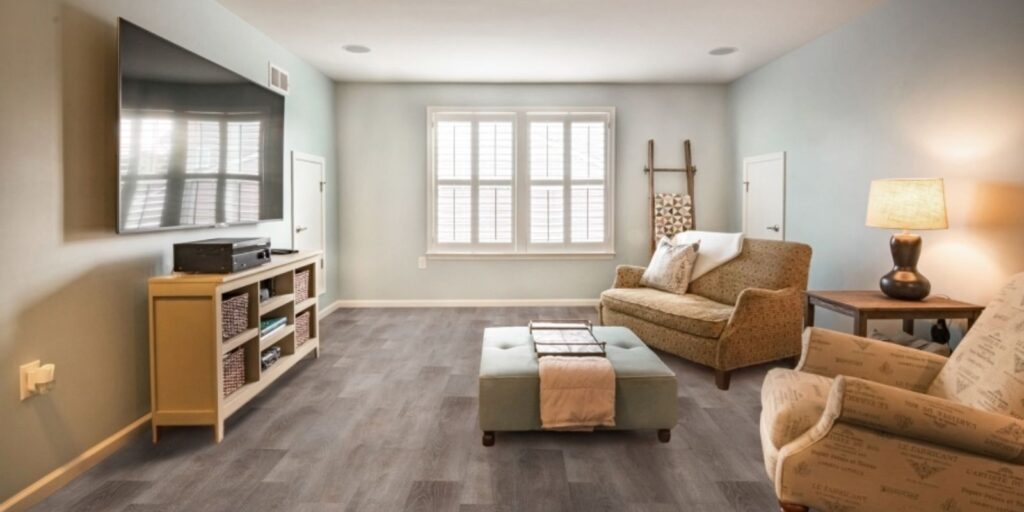
When it comes to home remodeling, how to choose flooring for a home remodel is one of the most fundamental decisions you’ll make. Not only does it have a major impact on the overall look and feel of your interior spaces, but it also serves as the literal foundation upon which all your other design elements will build.
The right flooring can elevate the entire aesthetic of your home, while the wrong choice can throw everything off and make spaces feel disjointed or unfinished. Whether you’re going for a warm, cozy vibe with rustic hardwood floors or a sleek, contemporary feel with polished concrete, your flooring lays the groundwork for the rest of your design vision.
But choosing flooring for a home remodel isn’t just about looks — it’s also a functional consideration that affects foot traffic, maintenance requirements, acoustics, and more. Getting it right from the start can save you money and headaches down the road.
In this guide, we’ll explore all the flooring considerations for remodeling — from hardwood and tile to luxury vinyl and carpet — to help you make the choice that perfectly fits your lifestyle, budget, and design goals.
Key Flooring Considerations for Home Remodeling
Define Your Design Style
Before you can choose the right flooring for home remodeling, you need to have a clear vision for the overall design style you want to achieve. Whether it’s rustic, modern, traditional, or eclectic, your flooring choice should complement and reinforce that aesthetic.
Consider Durability and Foot Traffic
Different flooring materials for home remodeling have varying levels of durability and resistance to foot traffic, scratches, and dents. If you have a high-traffic household with kids and pets, you’ll want to choose a more durable option like luxury vinyl plank (LVP) or ceramic tile over softer woods. These are the go-to choices for flooring in high-traffic areas where performance matters as much as style.
Understand Your Flooring Maintenance Needs
Some flooring types require more maintenance than others. Hardwood floors need regular cleaning and occasional refinishing, while vinyl and tile are easier to maintain. Factor in your household’s lifestyle and how much time you’re willing to dedicate to floor care.
Mind the Moisture Levels
Certain areas of the home, like bathrooms and basements, tend to have higher moisture levels. This can impact which flooring options for home remodeling are suitable. Woods and laminates may warp or buckle with excessive moisture, while tile and vinyl are better options for damp spaces.
Explore Pattern and Texture Choices
Don’t underestimate the power of patterns and textures when it comes to flooring. Intricate tile designs can add visual interest, while textured woods or vinyls can create a warm, inviting feel underfoot.
Optimize for Acoustics
The type of flooring you choose can significantly impact the acoustics in a room. Hard surfaces like tile and wood tend to amplify noise, while carpets and underlayment provide better sound absorption and insulation.
Create Flow and Consistency
Unless you’re intentionally going for a contrasting look, your home remodeling flooring ideas should create a sense of flow and consistency as you move from room to room. This doesn’t mean every room has to match, but complementary tones and textures help unify the space.
Don’t Forget About Transitions
Pay close attention to the transitions between different flooring materials, especially where floors meet stairs, landings, or exterior doors. The right moldings, thresholds, and trims are key to achieving a polished, professional look.
Factor in Installation Costs
While material costs are important, don’t forget to account for labor and installation expenses as well. Some flooring types like tile and hardwood have higher installation costs than laminates or LVPs.
Consider Resale Value
If you plan on selling your home someday, choosing flooring for a home renovation with broad market appeal is a smart long-term move. Stylish yet neutral choices like hardwoods and luxury vinyl planks tend to be more desirable than highly customized or trendy options.
Conclusion:
Choosing the right flooring is one of the most impactful design decisions you’ll make during a home remodel. As the literal foundation of your interior spaces, your flooring sets the tone for the entire look and feel you’re trying to achieve.
From defining your personal style to accounting for durability, maintenance needs, acoustics, and foot traffic patterns, there are many flooring considerations for remodeling to work through. But by carefully weighing your options and understanding the pros and cons of different materials, you can find a flooring solution that seamlessly blends form and function.
Remember, your floors should complement the other design elements in your home while also meeting your lifestyle needs. Opt for visually appealing yet highly durable and low-maintenance materials in the busiest spaces, but don’t be afraid to have a little fun with patterns, textures, and colors in lower-traffic areas.
Most importantly, choose flooring that creates a cohesive sense of flow from room to room and pays careful attention to those all-important transition areas. Knowing how to choose flooring for a home remodel — and taking the time to get it right from the start — ensures your new floors will serve as the perfect foundation for years of beauty, comfort, and style.